Table of contents
A weekly grocery flyer is often overlooked as a simple advertisement, yet it serves as a powerful resource for maximizing your food budget. Exploring how these flyers function reveals their potential to transform your shopping routine, offering insights into sales, exclusive deals, and smart planning strategies. Dive into the following sections to discover why a weekly grocery flyer is not just a piece of mail, but a crucial tool for savings in every household.
Understanding flyer organization
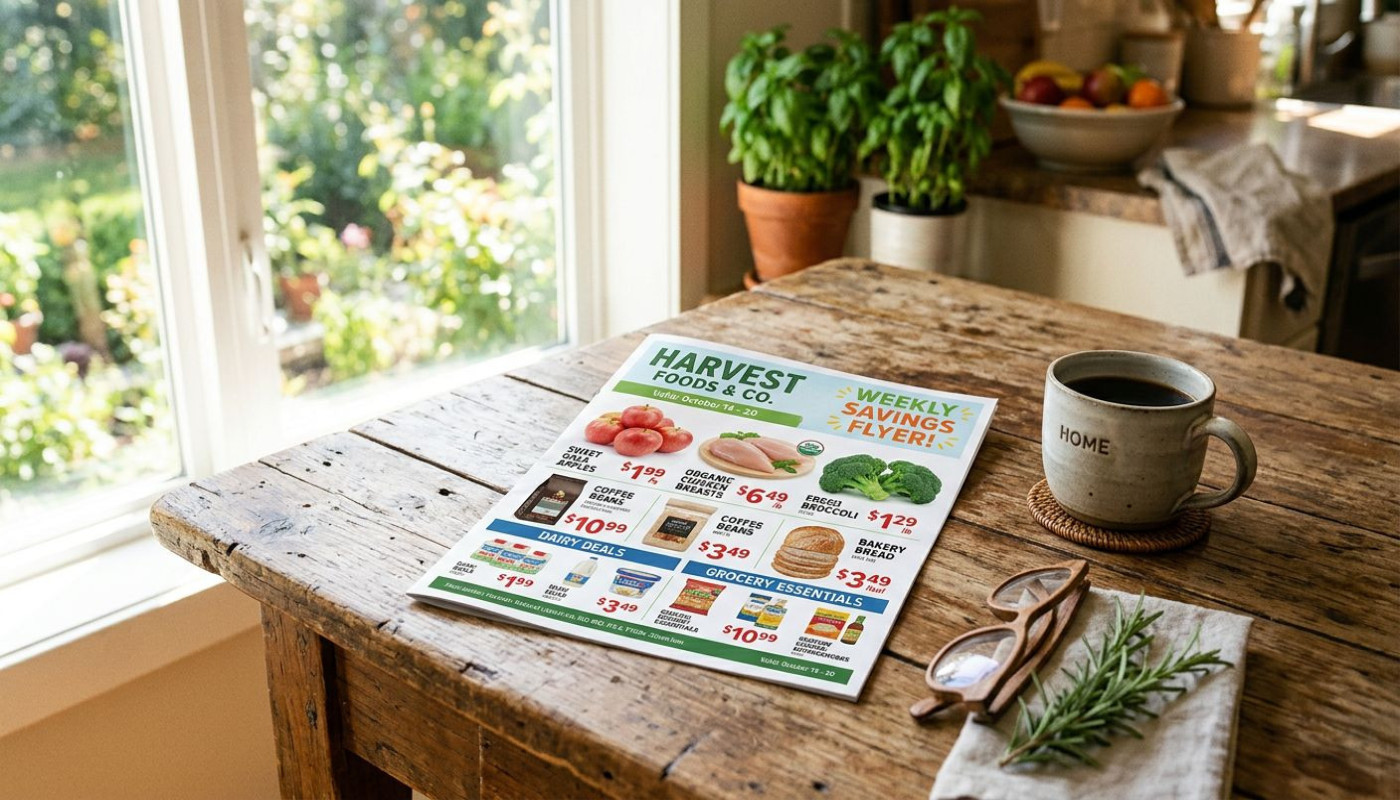
A weekly flyer is meticulously designed to maximize savings potential by leveraging well-defined sections that highlight various grocery deals and sale items. Typically, the front page showcases featured deals, which are handpicked products chosen to grab immediate attention and set the tone for broader weekly promotions. Seasonal promotions have their own distinct space, often marked with vibrant imagery and bold pricing, capturing the shifting needs of shoppers and aligning with holidays, events, or changes in weather. Limited-time offers are also strategically placed, using visual cues and urgency-driven language to encourage swift action and prevent missing out on exceptional opportunities.
The flyer’s layout is crafted following planogram principles, a technical approach borrowed from in-store merchandising, to ensure high-traffic items and popular brands are placed where shoppers’ eyes naturally fall. This deliberate design draws shoppers through each section, focusing their attention systematically on the most attractive savings. By organizing products into categories such as fresh produce, pantry staples, and household necessities, the flyer becomes a navigational tool that allows consumers to plan their shopping efficiently. For those mindful of their household budget, a well-structured weekly flyer simplifies the process of identifying value, making it easier to compare prices, take advantage of grocery deals, and stretch spending power each week.
Maximizing sale cycles
Understanding sale cycles in a weekly grocery flyer empowers shoppers to predict when popular products will be discounted, optimizing their shopping strategy and maximizing savings. Supermarkets operate on a promotional calendar, with certain items discounted at regular intervals—often every six to eight weeks—so recognizing these patterns is valuable. By closely examining weekly ads, shoppers can note the timing of discounts on staples like coffee, laundry detergent, or fresh produce, and plan larger purchases around these cycles. Keeping a simple log or using a calendar app to track when favorite items appear in the grocery flyer allows for smarter, well-timed purchasing decisions, ensuring that restocking aligns with peak discount timing.
Tracking recurring promotions is particularly effective for households managing a fixed budget, as it minimizes the risk of paying full price for frequently used goods. Shoppers can build a stockpile of non-perishable essentials during their lowest price points, a technique often recommended by consumer savings analysts. Additionally, comparing sale cycles across different retailers can reveal which store consistently offers better deals on specific products, further refining the shopping strategy. For example, reviewing the No Frills Flyer provides insight into ongoing and upcoming discounts, making it easier to anticipate future savings based on past promotional patterns.
Developing awareness of sale cycles not only helps with cost control but also enhances overall shopping efficiency. Planning meal menus and household needs around the recurring promotions in weekly ads helps reduce last-minute, at-full-price purchases. Consistent use of this approach, anchored by careful attention to the promotional calendar, leads to cumulative savings throughout the year and supports a more intentional, less stressful grocery shopping experience.
Comparing store offerings
Weekly grocery flyers are invaluable tools for price comparison, allowing consumers to quickly assess and contrast the featured products and promotions at multiple retailers. By presenting current deals side by side, grocery flyers empower shoppers to identify the best deals and design a shopping route that maximizes savings. This structured approach not only enhances smart shopping habits but also encourages retail competition, as stores must continually adjust their pricing strategies to attract budget-conscious customers. Technical concepts such as competitive analysis come into play, with retailers analyzing the content of rivals' flyers to ensure their own offers are appealing. The availability of these flyers—both in print and digitally—facilitates informed decisions, encourages price-matching policies, and helps shoppers avoid impulse purchases in favor of planned, cost-effective buying patterns.
Enhancing meal planning
Utilizing a weekly grocery flyer as part of meal planning offers a practical strategy for designing budget meals while maximizing nutritional variety. By examining weekly deals featured in the grocery flyer, shoppers can identify discounted proteins, fresh produce, and pantry staples, which serve as the foundation for creating flexible, affordable menus. Integrating these promotions into menu engineering allows for the assembly of cost-effective meal solutions that adapt to what is available, reducing reliance on expensive or out-of-season items. This approach not only stretches the household budget but also supports efforts to minimize food waste, as meals are planned around what is on hand and what is featured in the flyer, rather than buying unnecessary extras. Regular use of a grocery flyer in meal planning empowers consumers to enjoy diverse, satisfying meals while maintaining control over spending and waste.
Leveraging digital flyer tools
The shift toward digital flyer platforms has transformed how shoppers access and utilize grocery savings. With the integration of shopping apps and online deals, consumers benefit from real-time updates and tailored promotions based on their buying habits. Features like personalized offers, instant notifications for limited-time discounts, and automated shopping list generation simplify the saving process and ensure missed opportunities are minimized. These platforms often leverage customer relationship management (CRM) systems to analyze purchase data and deliver hyper-relevant deals directly to users, increasing convenience and maximizing the value of every grocery trip. Using a digital flyer not only streamlines the search for the best prices, but also empowers shoppers to plan ahead, monitor sales cycles, and capitalize on the most attractive bargains with ease.
Similar articles

What Recent Legal Reforms Reveal About The Future Of Corporate Compliance

What Drives Investors To Buy Significant Shares In Companies?

Unlocking The Secrets To Identifying Lucrative Investment Opportunities

Essential Tips For First-time Buyers Of Used Boats

Unveiling the Secrets of Cryptocurrency: Beyond Bitcoin

Green Bonds: Financial Markets Driving Sustainability

Transforming Waste to Wealth: The Rise of Upcycling

Unmasking the Crypto Craze: A Deep Dive into Digital Currency

Investing in the French Wine Industry: What You Should Know

The Economic Impact of African Players in the Premier League

Exploring the Transformation of Luxury Retail in the Digital Age
